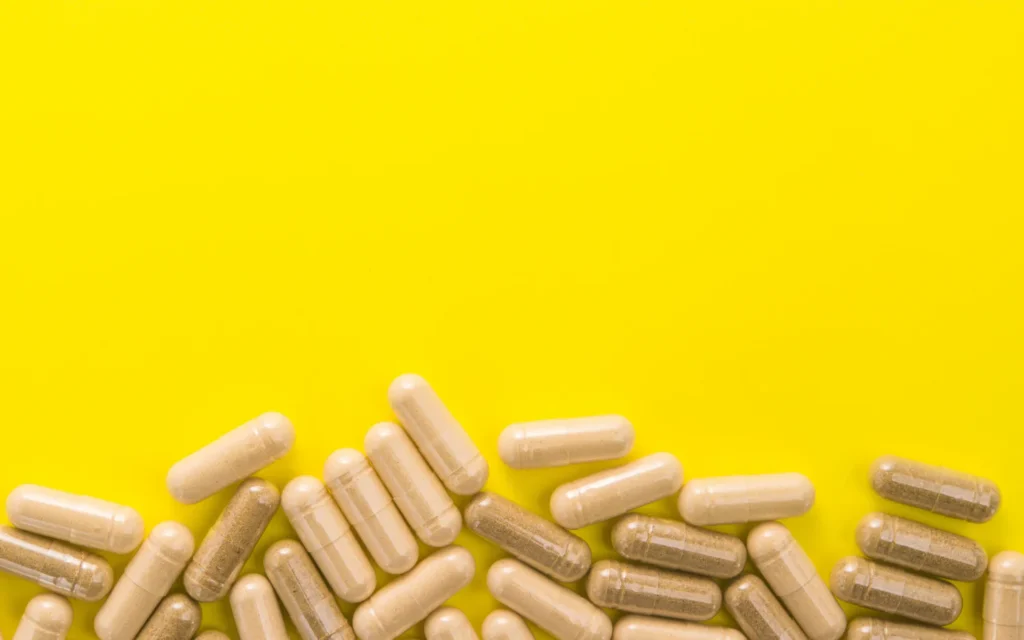
The fascinating world of magic mushrooms has captivated humanity for ages, not just for their psychedelic effects, but also for the underlying science that triggers these experiences. The Blue Meanie shrooms, a standout among the myriad of mushroom strains, offer a unique blend of compounds that produce their signature effects Mushroom Capsules online. This article delves into the captivating biochemistry of Blue Meanie shrooms, shedding light on what makes them so special.
Psilocybin and Psilocin: The Dynamic Duo
At the heart of the Blue Meanie’s psychedelic properties are the compounds psilocybin and psilocin. While psilocybin is a prodrug, it gets converted into psilocin in the body, which primarily interacts with the brain’s serotonin receptors, leading to altered perceptions and emotions.
Baeocystin and Norbaeocystin: Delving Deeper into the Lesser-Known Siblings
Magic mushrooms, particularly the Blue Meanie strain, are often associated with their primary psychoactive compounds, psilocybin and psilocin. However, lurking in the shadows of these dominant compounds are baeocystin and norbaeocystin, two intriguing elements that significantly contribute to the mushroom’s overall effects.
Chemical Structure and Relationship
Baeocystin and norbaeocystin are structurally analogous to psilocybin. They are essentially analogs where baeocystin has one less methoxy group than psilocin, and norbaeocystin has two fewer. This close relationship in structure suggests a potential similarity in their interactions with the human brain, possibly complementing the effects of psilocybin and psilocin.
Enhancement of the Psychedelic Journey
While the concentrations of baeocystin and norbaeocystin in Blue Meanie shrooms are lower compared to psilocybin, their presence is by no means insignificant. Initial anecdotal reports and preliminary studies indicate that these compounds might intensify certain aspects of the psychedelic experience. This could range from amplifying visual perceptions to deepening emotional introspection, working in tandem with the primary compounds to offer a richer, more multifaceted trip.
Modulation of the Experience
Beyond mere enhancement, baeocystin and norbaeocystin might also play a role in modulating the psychedelic journey. For some users, these compounds could potentially smoothen the onset of the trip, reduce anxiety or jitteriness, and even influence the duration of the experience. Their modulatory effects could be the key to making the journey with Blue Meanie shrooms more harmonious and balanced.
Potential Therapeutic Implications
The therapeutic world is abuzz with the potential applications of psilocybin in treating various mental health disorders. As research deepens, there’s growing curiosity about the roles baeocystin and norbaeocystin might play in this context. Could they enhance therapeutic outcomes? Might they offer additional benefits, such as neuroprotection or mood stabilization, that could complement the primary effects of psilocybin in therapy?
Baeocystin and norbaeocystin, while lesser-known, are emerging as crucial players in the biochemistry of Blue Meanie shrooms. Their potential to both enhance and modulate the psychedelic experience makes them subjects of great interest. As we continue to explore the vast and intricate world of magic mushrooms, it’s clear that understanding these compounds will be pivotal in unlocking the full potential of the Blue Meanie strain.
References
- Passie, T., Seifert, J., Schneider, U., & Emrich, H. M. (2002). The pharmacology of psilocybin. Addiction Biology, 7(4), 357-364.
- Nichols, D. E. (2004). Hallucinogens. Pharmacology & Therapeutics, 101(2), 131-181.
- Tylš, F., Páleníček, T., & Horáček, J. (2014). Psilocybin – Summary of knowledge and new perspectives. European Neuropsychopharmacology, 24(3), 342-356.
- Halberstadt, A. L. (2015). Recent advances in the neuropsychopharmacology of serotonergic hallucinogens. Behavioural Brain Research, 277, 99-120.
- Carhart-Harris, R. L., & Goodwin, G. M. (2017). The therapeutic potential of psychedelic drugs: past, present, and future. Neuropsychopharmacology, 42(11), 2105-2113.